To prepare your driveway for asphalt paving is essential for creating a smooth, durable, and long-lasting surface. While many homeowners invest in a new asphalt driveway or resurfacing project, even the most skilled asphalt paving contractors cannot ensure quality results without thorough preparation. The process goes beyond simply laying asphalt it requires careful driveway grading, solid base preparation, and effective drainage solutions. Paying attention to these steps helps prevent common issues such as cracks, water pooling, and uneven settling, ensuring a driveway that performs well for years to come.
Working with professional asphalt and paving contractors ensures that each step is done correctly, from evaluating the soil to final compaction. With proper preparation, your asphalt driveway not only looks attractive but also withstands daily wear, weather extremes, and heavy vehicles. This guide walks homeowners through the entire preparation process, offering practical tips to make the project easier and ensure long-lasting results.
Key Takeaways
- Steps to prepare your driveway for asphalt paving
- How driveway grading and drainage solutions prevent future issues
- Best practices for base preparation to support a strong surface
- Homeowner tips to improve project efficiency and durability
- Why professional guidance can save time, money, and headaches
Step 1: Inspect Your Existing Driveway
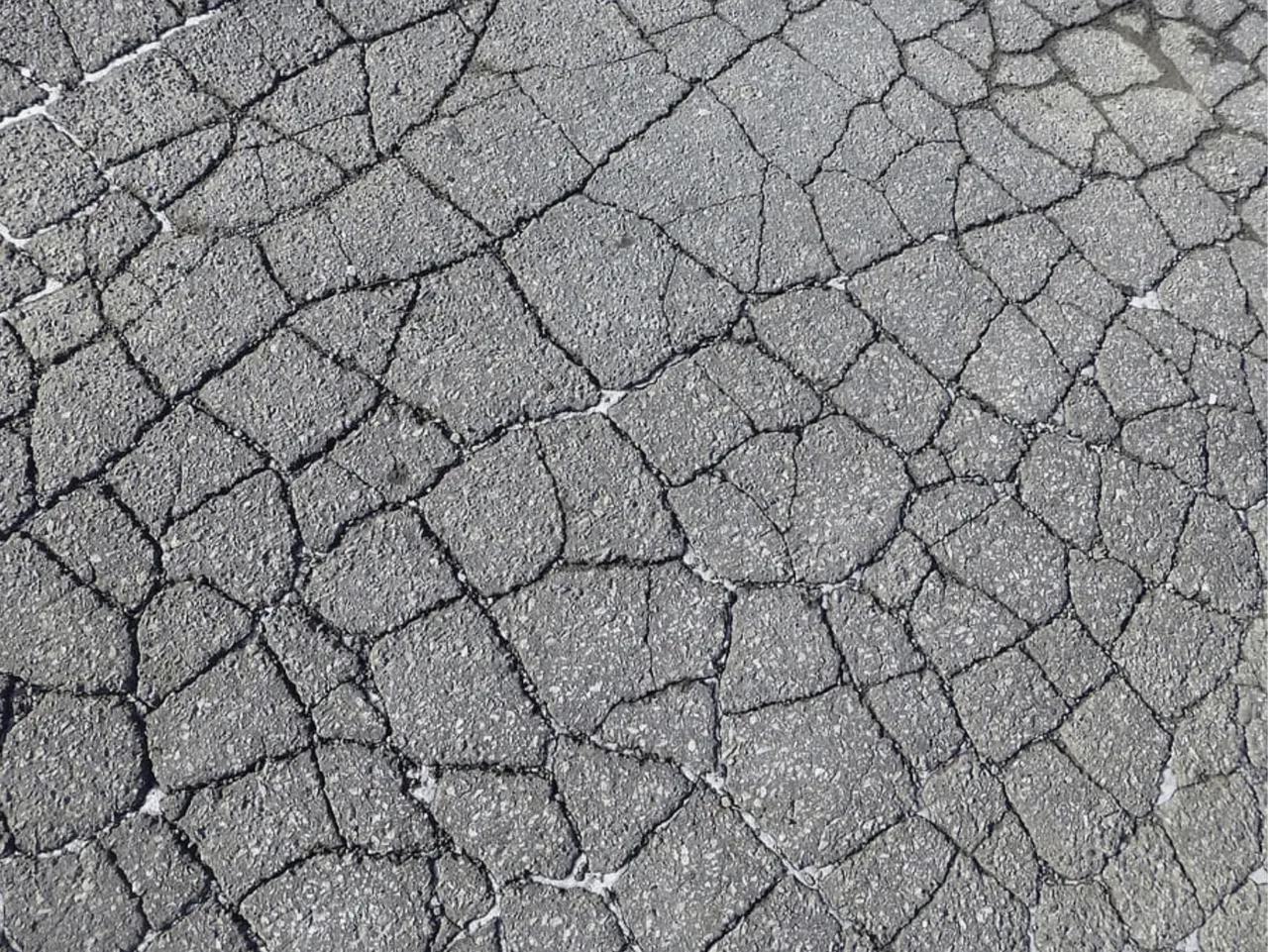
Before any paving work begins, inspecting your current driveway is essential. Many driveways have hidden issues like cracks, potholes, erosion, or uneven settling. These problems, if ignored, will impact the new asphalt surface, causing it to fail prematurely.
Homeowners should look for visible signs of wear and structural weaknesses. Remove vegetation, loose debris, and old asphalt patches, and note areas where water tends to pool. Identifying problem spots allows asphalt paving contractors to address them before the paving process begins. Early detection can prevent future expenses and ensure that your new driveway is smooth and stable for years.
Inspection checklist:
- Examine for cracks, potholes, or ruts
- Remove debris, stones, and overgrown vegetation
- Identify low spots that may require leveling
- Note areas requiring drainage adjustments
Step 2: Driveway Grading
Driveway grading is critical for preventing water damage, which is one of the main causes of asphalt failure. A properly graded driveway ensures that rainwater and runoff flow away from the surface, protecting your driveway’s base and asphalt layer. A slope of approximately 1 to 2% is typically recommended to prevent pooling.
In addition to water management, proper grading improves the overall look and feel of the driveway. It ensures that vehicles can safely enter and exit without uneven patches causing discomfort or safety concerns. Proper asphalt maintenance in Chesterfield begins with accurate driveway grading, a precise task often best handled by experienced asphalt paving contractors who have the equipment to measure slope effectively.
Grading best practices:
- Maintain a consistent slope from center to edges
- Avoid depressions where water could accumulate
- Ensure alignment with drainage channels
- Consult professionals for accurate leveling
Step 3: Installing Drainage Solutions
Water is one of the biggest enemies of asphalt. Without proper drainage, water can seep into the base, erode support layers, and lead to cracks or potholes. Installing effective drainage solutions protects your investment and extends the life of your driveway.
Common drainage methods include French drains, swales, sloped edges, and connections to stormwater systems. Each option helps remove excess water while minimizing soil erosion beneath the asphalt. Combining proper grading with well-designed drainage ensures that rainwater does not compromise your driveway structure.
Drainage solution tips:
- Install French drains along edges for water collection
- Maintain sloped surfaces to direct water toward drains
- Incorporate gutters or channels if near a building
- Ensure permeable areas for additional water absorption
Step 4: Base Preparation
Base preparation is the most critical step for long-lasting asphalt. The base acts as the foundation, supporting the weight of vehicles and preventing settling or deformation over time. A well-prepared base ensures a flat, smooth, and durable surface. Understanding why professional asphalt paving & sealing is a smart investment starts with proper base preparation, as it sets the foundation for a surface that will withstand daily use and weather conditions.
The process involves excavation, soil compaction, and layering crushed stone or gravel. Each layer must be compacted thoroughly before applying asphalt. Skipping this step or cutting corners can result in uneven surfaces, cracking, and costly repairs in the future.
Base preparation tips:
- Excavate to the required depth based on driveway use
- Compact soil to prevent future settling
- Add layers of gravel or crushed stone for stability
- Ensure each layer is level and compacted before paving
Step 5: Understanding the Paving Process
Once the base is ready, the asphalt paving process begins. Asphalt is heated, spread evenly, and compacted using specialized machinery. The quality of the paving depends on preparation work, proper material handling, and skilled compaction.
Professional asphalt paving contractors ensure that asphalt is laid consistently and compacted to create a smooth, durable surface. They also monitor temperature and moisture levels to avoid premature cracking or deformation. Understanding this process helps homeowners set realistic expectations and prepare their property for construction equipment.
Key steps in the paving process:
- Heat asphalt to the recommended temperature
- Spread asphalt evenly using a paver or hand tools
- Compact thoroughly with a roller to ensure smoothness
- Allow asphalt to cool before permitting vehicle traffic
Step 6: Homeowner Tips for a Smooth Project
Homeowners play an important role in facilitating a successful paving project. Proper planning and communication with your asphalt paving company help prevent delays, mistakes, or damage to property. Understanding why asphalt maintenance is a must in Chesterfield also helps homeowners stay proactive, ensuring their driveway remains durable, safe, and long-lasting.
Homeowner tips include:
- Clear the driveway of vehicles, toys, and obstacles
- Plan equipment access routes to minimize property disruption
- Schedule paving during dry weather for best results
- Stay in regular contact with the paving team for updates
- Take photos before starting for reference on any repairs
Step 7: Maintaining Your New Asphalt Driveway
Preparation is only part of the journey; ongoing maintenance ensures that your asphalt driveway remains smooth and functional. Proper maintenance extends the life of your asphalt and prevents minor problems from becoming major expenses.
Maintenance tips include:
- Seal cracks as soon as they appear
- Apply sealcoating every 2 to 3 years
- Remove debris and snow promptly to avoid damage
- Avoid heavy loads exceeding the driveway’s design limits
- Schedule professional inspections periodically
Why Professional Asphalt Contractors Are Worth It
Hiring experienced asphalt paving contractors ensures that every step from driveway grading to final paving is completed to industry standards. Professionals have the equipment, knowledge, and experience to handle unexpected issues, such as poor soil conditions, slope corrections, or drainage challenges.
Benefits of professional contractors:
- Expertise in base preparation, grading, and drainage
- High-quality materials and proper equipment
- Compliance with local construction and safety standards
- Faster, more efficient project completion
- Advice on long-term asphalt maintenance
Extending the Life of Your Asphalt Surfaces
A properly prepared and maintained driveway can last decades, but neglecting preparation or maintenance can shorten its lifespan significantly. Homeowners who follow professional recommendations enjoy smoother, safer driveways that retain their aesthetic appeal and structural integrity.
Strategies to extend asphalt life:
- Invest in thorough base preparation and grading
- Ensure proper drainage before paving
- Conduct regular inspections for early repairs
- Apply sealcoating and crack-filling as needed
- Partner with an experienced asphalt maintenance company
For detailed information on asphalt paving standards and best practices, consult the Federal Highway Administration (FHWA), which provides guidance on asphalt construction, grading, and drainage. Explore professional tips and technical standards for asphalt paving projects through FHWA to ensure a long-lasting, high-quality driveway.
Conclusion
Preparing your driveway for asphalt paving is a detailed process that goes beyond simply laying asphalt. From inspection and grading to drainage solutions, base preparation, and professional paving, every step impacts the final quality. Homeowners who invest in proper preparation and ongoing maintenance can enjoy a smooth, durable, and visually appealing driveway for years.
Working with professional asphalt and paving contractors ensures that each step is performed correctly, reducing the need for future repairs and maximizing the life of your investment.
If you’re ready to have your driveway professionally prepared and paved, contact the team today to schedule a consultation and secure a durable, long-lasting asphalt driveway.
FAQs
What is the first step to prepare your driveway for asphalt paving?
The first step is a thorough inspection. Homeowners should check for cracks,
potholes, uneven areas, and drainage issues. Removing debris, vegetation,
and old asphalt ensures a clean surface. Proper preparation sets the stage
for a smooth, durable driveway and helps asphalt paving contractors deliver
long-lasting results.
Why is driveway grading important?
Driveway grading ensures water flows away from the surface, preventing pooling
and damage. Proper grading protects the base and asphalt layer from cracks
and uneven settling. A slope of 1–2% is usually recommended, and professional
contractors can measure and adjust grading accurately for long-term durability.
How does base preparation affect asphalt longevity?
The base is the foundation of your driveway. Excavation, soil compaction,
and layered gravel provide stability and support the weight of vehicles.
Poor base preparation can lead to uneven surfaces, cracking, and costly
repairs. Professional asphalt paving companies emphasize thorough base
preparation to extend the life of your driveway.
Do I need professional help for driveway drainage and grading?
Yes. Proper drainage and grading prevent water damage, potholes, and structural
issues. Experienced asphalt paving contractors have the tools and expertise
to design slopes, install drains, and ensure water flows away from your
driveway effectively. This minimizes future maintenance costs and maximizes
durability.
How can homeowners maintain their asphalt driveway after paving?
Regular maintenance is key to long-lasting results. Homeowners should seal
cracks promptly, apply sealcoating every 2–3 years, remove debris and snow,
and avoid excessive heavy loads. Periodic inspections by a professional
asphalt maintenance company help identify issues early and protect your
investment.