
Asphalt resurfacing vs. replacement is one of the most important decisions property owners faces when maintaining a smooth, durable pavement. Working with an experienced asphalt paving company can help you make the right choice, save money, extend your pavement’s life, and prevent safety hazards. Understanding the signs of failure, process overview, cost comparison, and pavement condition assessment of each method ensures that your asphalt stays strong and functional for years.
Key Takeaways
- Resurfacing is ideal for stable pavement with surface-level damage.
- Replacement is necessary when the base is failing or damage is deep.
- A pavement condition assessment helps you make an informed decision.
- Costs vary depending on damage, materials, and labor.
- Regular maintenance extends pavement life.
Why Choosing the Right Pavement Solution Matters
Asphalt resurfacing vs. replacement is a question many homeowners and commercial property managers face when signs of wear appear. Both options restore pavement functionality, but each addresses different levels of damage. Resurfacing works for surface-level issues, while replacement fixes deep structural problems. Knowing which approach is right saves money, improves safety, and ensures long-term durability.
For example, minor cracks or fading may only need a fresh layer of asphalt, whereas deep potholes or base failure usually call for a full replacement.
Understanding Asphalt Resurfacing
Asphalt resurfacing involves placing a new layer of asphalt over an existing pavement surface. This method repairs minor cracks, smooths out imperfections, and enhances overall appearance without removing the base layer, making it a cost-effective solution for residential asphalt repair.
Why Choose Resurfacing
Resurfacing is an efficient, cost-effective option for pavements that are still structurally sound. It restores the top layer while maintaining the underlying foundation.
Best situations for resurfacing include:
- Small surface cracks: Minor fissures in the top layer that do not extend into the base can be easily sealed and covered.
- Minor potholes: Shallow depressions that affect appearance or ride quality but don’t compromise structure.
- Faded or brittle asphalt: Aging asphalt that has lost flexibility can be rejuvenated with a fresh overlay.
- Uneven surfaces without base issues: Slight dips or surface irregularities can be leveled efficiently.
- Light to moderate wear: Regular traffic wear that hasn’t affected the underlying base or caused severe cracking.
Benefits of Resurfacing
- Improves pavement appearance: Gives your asphalt a fresh, dark, and uniform look.
- Adds several years to pavement lifespan: Typically extends life by 7–15 years.
- Quick to complete compared to replacement: Less disruption to daily use.
- Less expensive than full replacement: Saves money on labor and materials.
For a professional touch, an experienced asphalt paving company can evaluate your pavement to determine if resurfacing is sufficient.
Understanding Asphalt Replacement
Full asphalt replacement involves removing the old pavement down to the base and installing a new surface. This is a deeper solution that addresses structural problems that resurfacing cannot fix and is an important consideration for long-term asphalt driveway maintenance.
Why Replacement Is Needed
Replacement is necessary when the pavement exhibits deep or widespread damage. If ignored, structural failure can lead to repeated repairs, higher costs, and safety risks.
Replacement is best for:
- Wide or deep cracks: Cracks that penetrate the base layer, which resurfacing cannot fix.
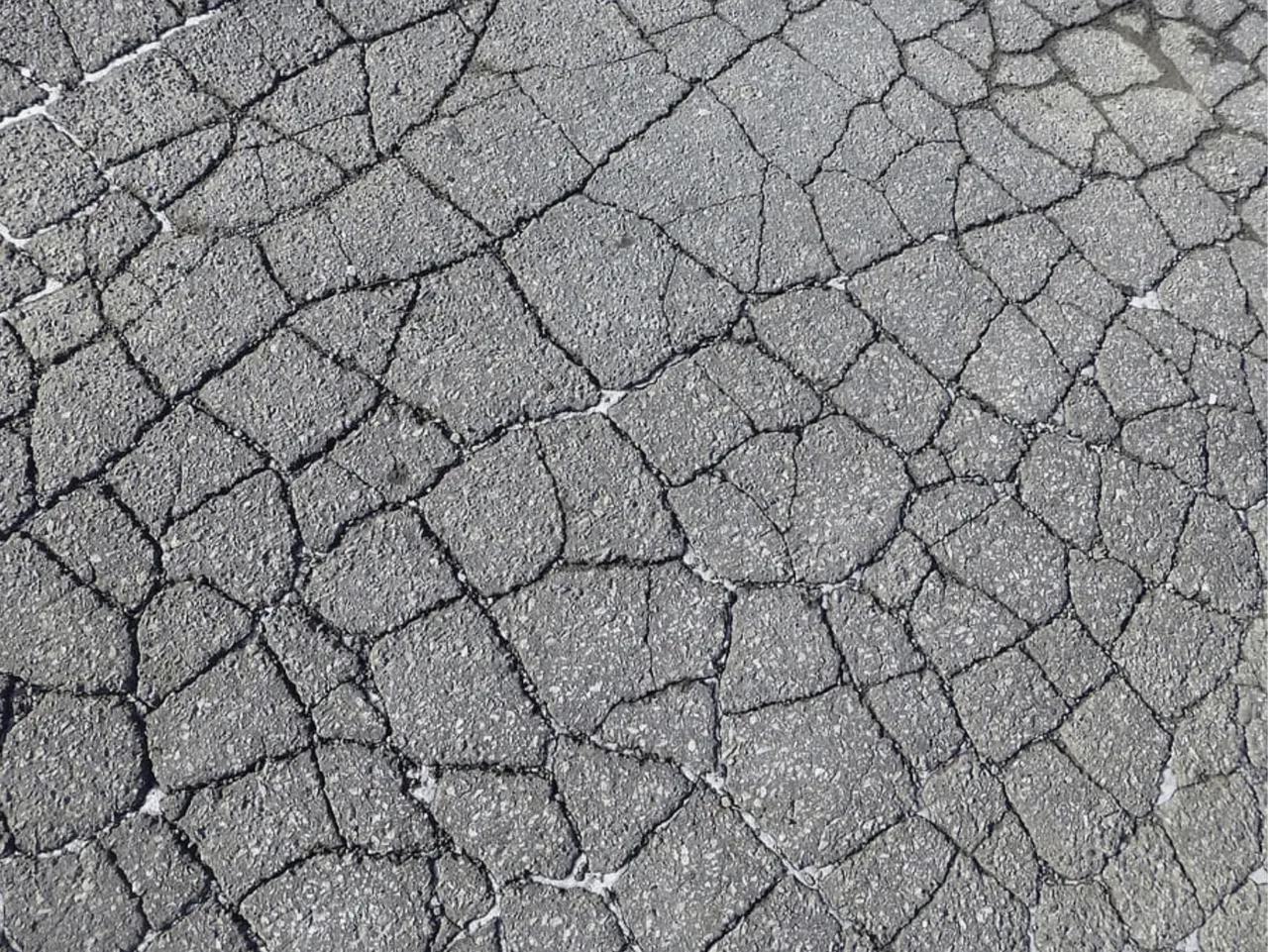
- Alligator cracking: A network of interconnected cracks indicating base failure.
- Persistent potholes: Potholes that keep reappearing after temporary patching.
- Sinking or soft spots: Areas where the pavement gives way underweight.
- Poor drainage or water pooling: Water that seeps into the base weakens the pavement structure.
Benefits of Replacement
- Long-lasting solution: Can last 20–30 years with proper maintenance.
- Fixes structural issues: Eliminates the root cause of recurring damage.
- Prevents recurring repairs: Reduces future maintenance costs.
- Improves property aesthetics and safety: Smooth, uniform surfaces enhance curb appeal and reduce trip hazards.
Commercial properties often rely on experienced asphalt paving contractors to manage full replacements efficiently and with minimal disruption.
Signs Your Pavement Needs Resurfacing
A thorough pavement condition assessment helps you determine whether resurfacing is enough. Resurfacing works when the base is stable, and damage is limited to the top layer.
Signs to Look For
- Cracks less than 2 inches deep: Surface-level cracks that don’t compromise the base.
- Surface fading or brittleness: Asphalt that has lost color or flexibility.
- Minor unevenness: Slight dips or rough spots that don’t affect structural integrity.
- Limited potholes: Only a few shallow potholes present.
- No standing water or drainage issues: Water drains properly without pooling.
Resurfacing Checklist
- Base layer strength: Ensure the underlying foundation is firm and stable.
- Damage location: Confirm that cracks are mainly on the surface layer.
- Pavement firmness: Check that the pavement does not feel soft or unstable.
If these criteria are met, resurfacing is usually the right choice.
Signs Your Pavement Needs Full Replacement
Sometimes, resurfacing is not enough. If the underlying base is damaged, replacement is the only long-term solution.
Warning Signs
- Deep or interconnected cracks: Cracks that indicate the base is failing.
- Persistent, recurring potholes: Potholes that cannot be permanently repaired with patches.
- Sinking or soft spots: Areas were vehicles or foot traffic cause depressions.
- Widespread water pooling: Poor drainage that damages the pavement over time.
- Crumbling edges: Asphalt that flakes or breaks at the perimeter of the surface.
Replacement Checklist
- Base stability: Check whether the foundation has weakened or shifted.
- Extent of cracks: Deep, large, or interconnected cracks often indicate replacement.
- Failed repairs: Repeated patching indicates a need for a full replacement.
- Water damage: Continuous pooling or drainage issues that erode the base.
Meeting one or more of these conditions strongly indicates the need for replacement. A commercial asphalt maintenance company can perform an expert evaluation to confirm this.
Process Overview of Resurfacing and Replacement
Understanding the process overview of each method helps set expectations and ensures you hire the right professionals.
Resurfacing Process Steps
- Clear the pavement: Remove debris, dirt, and vegetation for proper adhesion.
- Fill cracks and patch potholes: Prepare surface for a smooth layer.
- Grind uneven areas: Level bumps to prevent future stress points.
- Apply bonding layer: Ensures the new asphalt sticks properly.
- Lay new asphalt: Spread fresh material evenly across the surface.
- Roll and compact: Compress asphalt for smoothness and durability.
Why it works: Strengthens the surface and restores smoothness efficiently.
Learn more aboutWhy Asphalt Maintenance Is a Must in Chesterfield, MI to ensure your pavement lasts longer and stays in top condition
Replacement Process Steps
- Remove existing asphalt: Completely remove old layers down to the base.
- Inspect and repair base: Identify weak spots and rebuild if necessary.
- Install new base material: Stabilize the foundation for long-lasting results.
- Lay new asphalt layer: Apply fresh asphalt with proper thickness.
- Compact and smooth: Ensure uniform surface and prevent early damage.
Why it works: Eliminates structural issues and ensures long-term durability.
Longevity: How Long Will Each Option Last?
Resurfacing Lifespan
Resurfaced asphalt typically lasts 7 to 15 years, depending on traffic, weather, and maintenance. Proper maintenance greatly improves longevity.
Replacement Lifespan
Full replacement can last 20 to 30 years with proper maintenance. This makes replacement ideal for high-traffic or commercial areas.
Tips to Extend Pavement Life
- Sealcoat every 2 to 3 years: Protects against weather and UV damage.
- Fix cracks promptly: Prevents small problems from becoming structural issues.
- Clean oil or chemical spills: Chemicals can break down asphalt quickly.
- Improve drainage: Proper water runoff prevents base erosion.
Asphalt driveway maintenance is especially important for residential properties to prevent costly repairs.
Maintenance Tips to Prevent Asphalt Damage
Proactive care can delay major repairs and extend the life of your pavement.
Effective Practices
- Sweep regularly: Remove dirt, leaves, and debris that trap moisture.
- Address standing water promptly: Water weakens asphalt and can create potholes.
- Patch minor cracks early: Prevents cracks from growing and affecting the base.
- Avoid heavy vehicles on weak spots: Protects areas prone to sinking or cracking.
- Apply sealcoat periodically: Protects from UV rays, water, and oxidation.
Regular maintenance is the foundation of residential asphalt repair and commercial upkeep.
Extend the Life of Your Asphalt Surfaces
Regular maintenance is key to keeping asphalt smooth and durable. Sealcoat every few years, repair cracks promptly, and address drainage issues to prevent long-term damage. Proper care helps your pavement stay strong, safe, and long-lasting.
Routine Care Recommendations
- Inspect your pavement twice a year: Look for cracks, sinking, or pooling water.
- Address minor cracks or dips quickly: Early intervention prevents costly repairs.
- Hire professionals for sealcoating and repairs: Ensures quality and longevity.
- Ensure proper edge support: Prevents crumbling or shifting at borders.
Routine maintenance helps extend the life of your asphalt surfaces and avoids costly replacements.
Choosing the Right Asphalt Paving Professionals
Hiring the right team ensures proper assessment, quality materials, and lasting results.
What to Look For
- Experience in resurfacing and replacement: Knowledge of both methods ensures proper advice.
- Clear explanations and honest assessments: Avoid unnecessary work and expenses.
- Fair pricing and detailed quotes: Transparent estimates prevent surprises.
- Positive reviews and local experience: Proven track record for quality and reliability.
For more detailed information on proper pavement preservation techniques, visit the Federal Highway Administration’s Pavement Preservation page, which provides guidelines for maintaining long-lasting asphalt surfaces.
Conclusion
Choosing between asphalt resurfacing vs. replacement depends on your pavement’s current condition. Resurfacing works well for surface issues, while replacement solves deeper structural problems. A proper pavement condition assessment, combined with regular maintenance, ensures your asphalt lasts longer, looks better, and stays safe for everyone. By acting early and hiring experienced professionals, you protect your investment and enjoy smooth, durable pavement for years to come. Contact the experts today to schedule a consultation and get expert advice for your asphalt project.
FAQs
What is the difference between asphalt resurfacing and replacement?
Asphalt resurfacing involves adding a new layer of asphalt over existing pavement to repair minor surface damage. Replacement removes the old asphalt down to the base and installs a completely new surface to address structural problems.
How do I know if my pavement needs resurfacing or full replacement?
Surface cracks, fading, or minor unevenness usually indicate resurfacing. Deep cracks, alligator cracking, sinking areas, and recurring potholes often mean full replacement is required.
Which option is more cost-effective: resurfacing or replacement?
Resurfacing is generally more affordable because it focuses on surface repairs. Replacement costs more upfront but provides a long-term solution when the pavement base has failed.
How long does resurfaced or replaced asphalt last?
Resurfaced asphalt typically lasts 7–15 years with proper maintenance. Full replacement can last 20–30 years depending on usage, climate, and ongoing care.
Can regular maintenance prevent the need for replacement?
Yes. Regular crack filling, sealcoating, proper drainage, and timely repairs can delay resurfacing or replacement and extend pavement life.