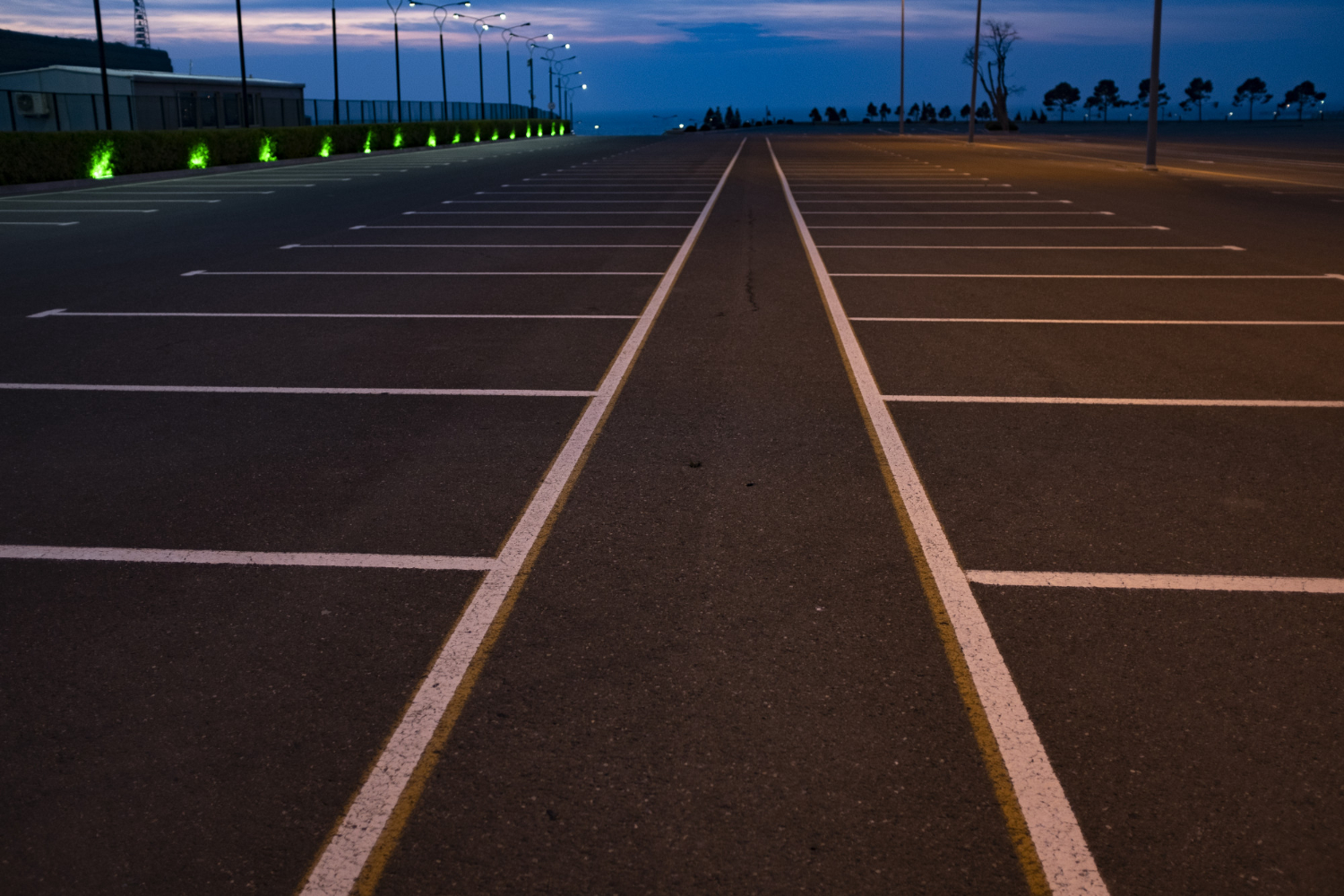
Re-stripe your parking lot regularly to maintain safety, accessibility, and a professional appearance for your business. Faded or worn lines not only create confusion for drivers but can also lead to liability issues. Many business owners overlook the importance of proper striping maintenance, yet it’s critical for compliance with safety regulations and for creating an organized, visually appealing parking area.
Proper striping goes beyond repainting it involves evaluating paint durability, considering traffic levels, and factoring in environmental impacts such as rain, snow, and UV exposure. Experienced asphalt maintenance companies and asphalt paving contractors can help ensure that lines are straight, visible, and correctly marked according to regulations. With the right schedule and maintenance, re-striping becomes an investment in safety, efficiency, and long-term curb appeal.
Key Takeaways
- Determine the ideal frequency to re-stripe based on usage and weather conditions
- Identify signs that your parking lot paint is fading or damaged
- Understand the impact of traffic levels on line wear
- Learn how professional asphalt maintenance can extend paint life
- Ensure compliance with safety regulations and ADA requirements
Why Parking Lot Striping Matters
Parking lot striping isn’t just about aesthetics. Clearly marked lines and designated spaces guide drivers safely, reduce accidents, and help your business maintain compliance with local regulations. Well-maintained striping also reflects positively on your company’s professionalism and attention to detail.
Benefits of re-striping include:
- Increased safety for pedestrians and drivers
- Compliance with ADA and local regulations
- Improved organization and traffic flow
- Enhanced curb appeal for your property
- Reduced liability risks from accidents or confusion
Factors That Affect How Often to Re-stripe
- Paint Durability
Not all paint is created equal. High-quality, durable paint lasts longer, resists fading, and maintains visibility in all weather conditions. Low-quality paint may require more frequent re-striping, while premium acrylic or epoxy-based paints can extend maintenance intervals.
- Weather Impact
Rain, snow, UV exposure, and temperature fluctuations can all affect line visibility. In areas with harsh winters, frequent freeze-thaw cycles and snowplow use can wear away paint faster. Similarly, high UV exposure in summer can fade lines, reducing contrast with the pavement.
- Traffic Levels
High-traffic lots wear down striping faster. Retail centers, hospitals, and office complexes experience constant vehicle flow, which can erode paint in months rather than years. Low-traffic lots, like storage facilities, may retain markings longer.
- Signs of Fading
Look for visual indicators that it’s time to re-stripe:
- Lines appear dull or patchy
- Painted areas are cracked or peeling
- Parking spots are no longer clearly defined
- Safety zones like fire lanes or handicapped spaces are difficult to see
How Re-striping Is Done
Re-striping is a precise process, often performed by professional asphalt maintenance company. The process begins with cleaning the surface to remove dirt, debris, and old paint flakes. Then, a new layer of high-quality pavement marking paint is applied, typically using spray or machine-guided equipment for accuracy.
Key steps include:
- Inspecting and preparing the pavement surface
- Removing debris, oil stains, or loose material
- Applying new paint or thermoplastic markings
- Allowing sufficient curing time before traffic returns
Homeowner/Business Owner Tips for Parking Lot Maintenance
Business owners can take steps to extend the life of their parking lot markings between professional maintenance cycles.
Tips include:
- Conduct visual inspections every 6 to 12 months
- Clean dirt, debris, and chemicals that may degrade paint
- Avoid parking heavy machinery in newly painted areas until fully cured
- Schedule re-striping during mild weather conditions for optimal adhesion
- Work with a local asphalt maintenance company familiar with your area
Benefits of Hiring Professionals
Professional services ensure lines are straight, spacing meets standards, and markings remain compliant with local regulations. Experienced contractors understand how traffic levels and weather impacts affect longevity and can recommend the optimal schedule for re-striping.
Advantages include:
- Precise and durable line placement
- Selection of high-quality paint for long-term visibility
- Reduced liability through compliance with safety and ADA regulations
- Expert assessment of signs of fading and wear
How Often Should You Re-stripe Your Parking Lot?
While there is no universal schedule, most commercial lots require re-striping every 12 to 18 months. However, factors like paint durability, traffic levels, and weather impact may shorten or extend this timeline. For lots with heavy traffic or harsh climates, annual re-striping may be necessary. For lighter traffic lots, 2 ot 3 years between maintenance may be sufficient.
Regular inspection helps determine the exact timing. If lines appear faded, cracked, or difficult to see, it’s time to schedule re-striping, regardless of the last maintenance date.
Extending the Life of Your Parking Lot Lines
Just like asphalt surfaces, parking lot lines benefit from routine maintenance. Simple practices can extend the life of your asphalt surfaces and prevent frequent repainting.
Maintenance practices include:
- Cleaning surface debris and chemicals regularly
- Applying sealcoat to preserve pavement and line adhesion
- Avoiding heavy vehicles over new markings
- Addressing cracks or potholes in the asphalt promptly
- Working with experienced asphalt paving contractors for long-term solutions
Signs That Indicate Immediate Re-striping
- Diminished visibility of parking lines
- Peeling or chipping paint
- Confusion in traffic flow due to faded markings
- Fire lanes, crosswalks, or handicapped areas no longer clearly visible
Recognizing these signs early prevents safety hazards and liability issues, keeping your parking lot functional and visually appealing.
For detailed guidance on pavement markings and safety standards, consult the Federal Highway Administration (FHWA), which provides technical guidance on line visibility, marking materials, and installation standards. Learn more about parking lot safety and best practices from the FHWA to ensure clear, durable, and compliant markings.
Conclusion
Re-striping your parking lot is more than just a cosmetic upgrade it’s a critical part of maintaining safety, accessibility, and professional appeal. Factors like paint durability, traffic levels, weather impact, and visible signs of fading determine how often maintenance is needed. Working with experienced asphalt maintenance companies or asphalt paving contractors ensures lines are applied correctly, last longer, and meet all safety and ADA requirements.
Regular inspections, timely maintenance, and professional guidance help your parking lot stay organized, safe, and attractive for years.
If you’re ready to ensure your parking lot is safe, compliant, and visually appealing, contact the team today to schedule professional re-striping and maintenance services.
FAQs
How often should I re-stripe my parking lot?
Most commercial parking lots need re-striping every 12–18 months.
High-traffic areas or harsh weather conditions may require annual
re-striping, while low-traffic lots can last longer with regular inspections.
What signs indicate it’s time to re-stripe?
Common signs include faded or dull lines, cracked or peeling paint,
unclear parking spaces, and safety markings like fire lanes or
handicap areas that are difficult to see.
Can I re-stripe my parking lot myself?
While DIY re-striping is possible, professional asphalt maintenance
companies ensure accurate line placement, durable paint application,
and compliance with safety and ADA regulations.
How does weather affect parking lot striping?
Weather conditions such as rain, snow, freeze-thaw cycles,
and UV exposure can cause paint to fade or peel faster.
Re-striping during mild weather improves adhesion and longevity.
Why is professional parking lot maintenance worth it?
Professional maintenance ensures clear, straight, and compliant
markings, reduces liability risks, and helps extend the life of
parking lot surfaces and pavement markings.