Commercial parking lot design Michigan businesses depend on must be safe, strong, and built to handle year-round weather. Good design keeps customers safe, manages heavy traffic, and prevents drainage issues. When your parking lot is planned with the right asphalt thickness, strong layout, and proper drainage, it lasts longer and reduces costly repairs. Working with the right asphalt paving company helps your business save time and money.
Key Takeaways
- A well-planned parking lot lasts longer and handles Michigan’s weather better.
- Asphalt thickness and traffic load planning help prevent cracks and sinking.
- ADA design rules keep your business compliant and safe for all visitors.
- Good drainage stops water damage and increases pavement life.
- Strong layout planning improves safety and flow on your property.
Why Proper Parking Lot Design Matters in Michigan
Michigan’s weather can be hard on pavement. Snow, salt, rain, and freezing temperatures weaken asphalt. When the design is poor, cracks and potholes appear much faster. To avoid safety risks and repair costs, planning the lot correctly from the start is important.
A well-designed lot improves customer experience, supports heavy vehicles, and helps your business maintain a professional look. Good design also reduces risks like trips, falls, or vehicle damage, especially when partnered with a reliable commercial asphalt maintenance company.
Benefits of Proper Parking Lot Design:
- Better safety for drivers and pedestrians
- Fewer repairs over time
- Stronger support for heavy vehicles
- Smooth flow of traffic
- Longer pavement lifespan
Asphalt Thickness: A Key Part of Strong Parking Lot Design
Asphalt thickness plays a major role in how long your parking lot lasts. If the asphalt layer is too thin, the pavement cannot hold the weight of cars and delivery trucks. This leads to cracks, sinking, and early failure.
In Michigan, weather conditions require you to use thicker asphalt layers than states with mild climates. The freeze-thaw cycle places extra stress on pavement, so planning the right thickness is important.
Recommended Thickness Levels
- 2 to 3 inches for light-use areas
- 3 to 4 inches for regular commercial parking
- 4 to 6 inches for heavy traffic zones
Why this matters: Thicker asphalt gives better support and protection. It also reduces the risk of early cracking. Heavy vehicles like delivery vans or garbage trucks need thicker asphalt for proper weight support. Learn more about proper pavement design from the Federal Highway Administration.
Traffic Load Planning for Michigan Parking Lots
Traffic load planning helps determine how much weight the parking lot must support. A business with frequent heavy vehicles needs a stronger design than a small retail store.
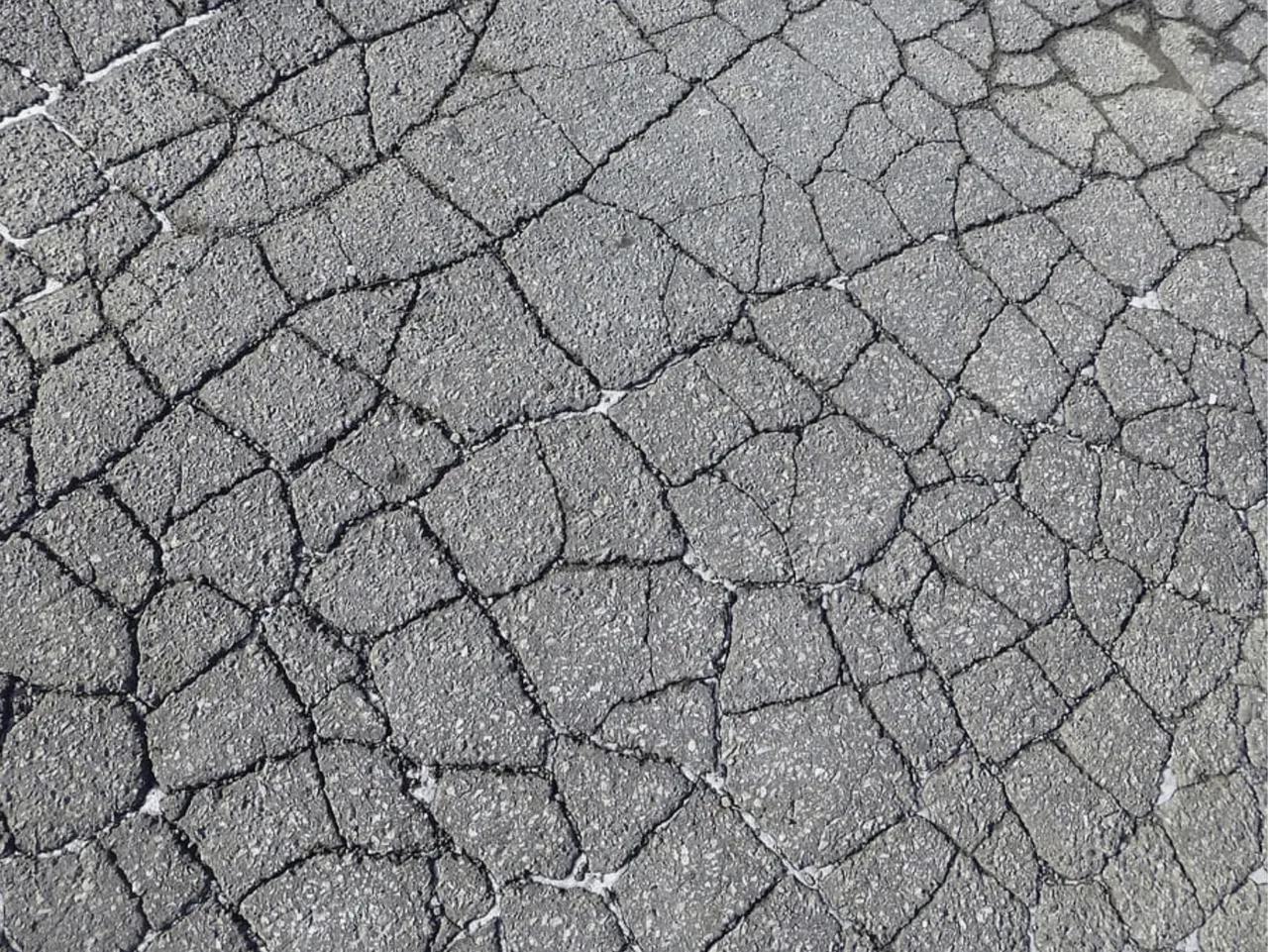
If traffic load is not calculated well, the pavement fails early. Deep cracks and alligator cracking usually happen when the base cannot support the weight above it.
Factors That Influence Traffic Load
- Number of daily visitors
- Delivery frequency
- Vehicle types (cars, trucks, vans)
- Speed flow across the parking lot
A safe design considers different traffic zones. For example, loading areas need stronger pavement compared to regular parking stalls.
ADA Compliance: Making Parking Lots Safe and Accessible
ADA compliance ensures your parking lot is safe and usable for everyone. It also protects your business from costly penalties. Every commercial property must meet ADA standards. This includes marked accessible spaces, proper signs, and safe wheelchair routes.
Basic ADA Requirements
- Clearly marked handicap parking
- Correct slope for safe wheelchair movement
- Smooth, stable pavement surface
- Accessible paths from parking to building
ADA design improves customer experience. It also helps your business show that accessibility is a priority, especially when working with a trusted asphalt paving contractors team.
Smart Layout Planning for Michigan Parking Lots
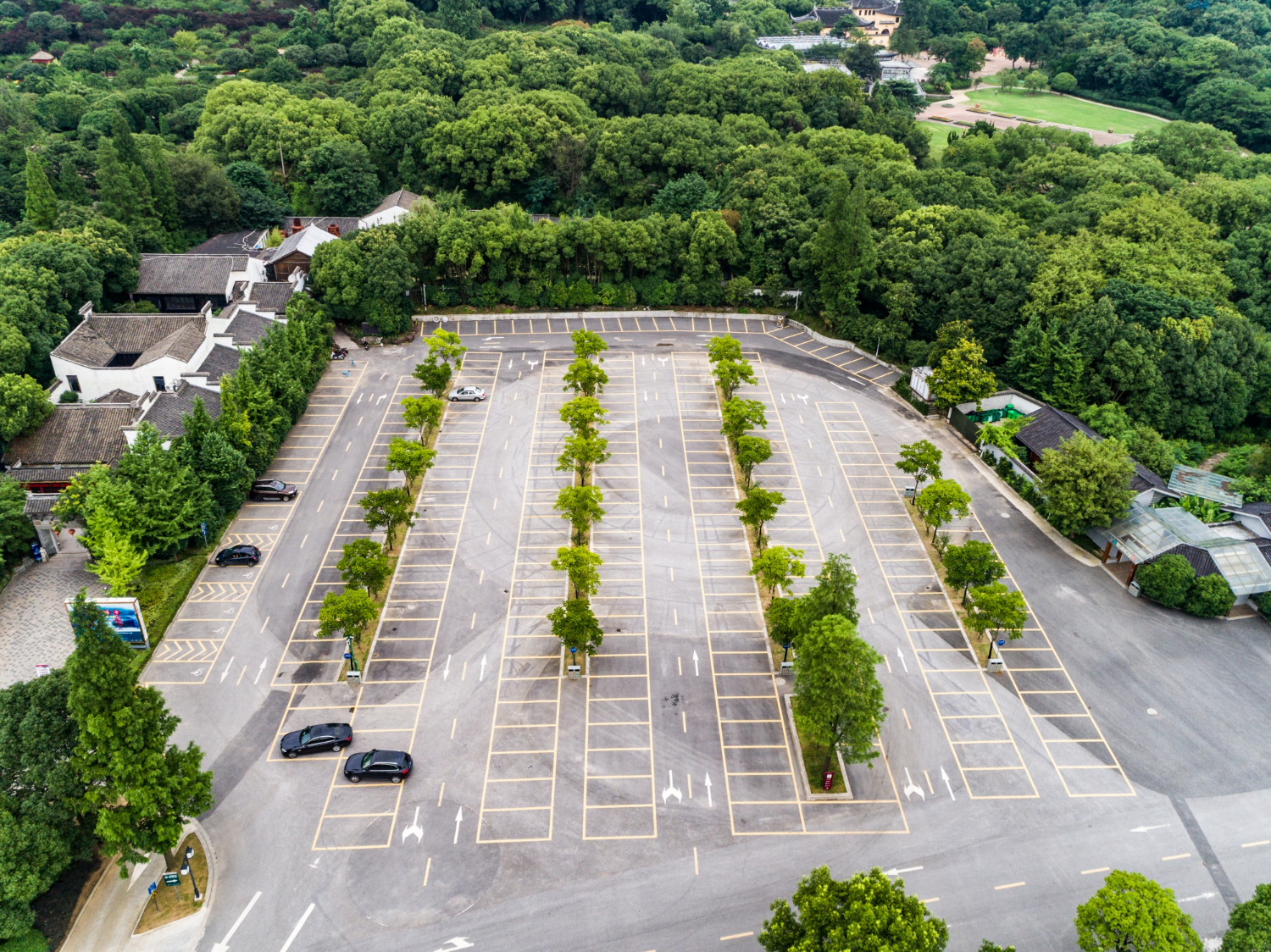
Good layout planning helps traffic flow smoothly. It also improves safety for drivers and pedestrians. A well-planned layout reduces accidents and confusion, especially in busy commercial spaces.
Clear directional signs, proper entry and exit points, and organized parking rows help keep the area safe. This is especially important in winter when visibility is low and snow reduces space.
Key Layout Planning Tips
- Keep entry points clear and wide
- Use bright, durable striping
- Add safe pedestrian walkways
- Design smooth one-way traffic flow
Good spacing also prevents door dents and makes parking easier for large vehicles.
Why Drainage Is Critical in Michigan Parking Lot Design
Drainage is one of the most important parts of any parking lot. In Michigan, heavy snow and rain can damage pavement if water sits on the surface. Water enters small cracks and expands when it freezes, causing larger cracks and potholes.
A strong drainage system keeps water moving away from the pavement. This protects the asphalt and prevents structural damage.
Drainage Features to Include
- Sloped pavement for water flow
- Catch basins in low areas
- Drainage channels where needed
- Proper grading across the lot
A simple slope can prevent major damage. Without good drainage, even thick asphalt will weaken over time.
Extend the Life of Your Parking Lot with Regular Maintenance
Regular maintenance helps your parking lot last longer. It stops small problems before they become expensive repairs. A clean, smooth lot also improves safety and your business image.
Easy Maintenance Tasks for Michigan Lots
- Clean the pavement often
- Fill small cracks early
- Sealcoat every 2 to 3 years
- Remove snow quickly in winter
Even small steps make a big difference in pavement life. Adding professional checks once a year also helps you plan future repairs early. This is also where many businesses learn to Extend the Life of Your Asphalt Surfaces effectively.
Simple Tips to Prevent Parking Lot Damage
Preventing damage is easier than repairing it. Small habits can protect your lot from Michigan’s weather and heavy vehicle loads.
Helpful Prevention Tips
- Check drainage after heavy rain
- Add signs to guide traffic
- Fix potholes before they grow
- Keep heavy trucks in designated zones
Prevention supports safety and reduces long-term costs. These small steps are part of the Tips to Prevent and Repair Asphalt Damage Effectively strategy many property owners use.
Role of Professional Contractors in Parking Lot Design
The right contractor plays a major role in building a strong parking lot. A skilled team understands Michigan weather, soil, and traffic needs. They help plan thickness, layout, drainage, and ADA compliance.
Hiring qualified professionals ensures your project is done right. It also helps avoid mistakes that cost money later.
A professional asphalt paving contractors such as Baker Asphalt team provides skill, tools, and experience needed for long-lasting pavement.
Conclusion
Good commercial parking lot design Michigan businesses trust starts with smart planning. The right asphalt thickness, drainage, ADA compliance, and layout choices help your lot stay strong. When you work with experts, your pavement lasts longer, needs fewer repairs, and offers a better experience for every visitor.
If you need help planning or improving your parking lot, contact a trusted experts today for guidance and reliable service.
FAQs
What is the best asphalt thickness for a commercial parking lot in Michigan?
The best asphalt thickness depends on traffic load. Light-use lots usually need 2–3 inches, standard commercial lots 3–4 inches, and heavy traffic areas 4–6 inches to prevent cracking and sinking.
How does ADA compliance affect parking lot design?
ADA compliance ensures your parking lot is accessible and safe for everyone. It includes marked handicap spaces, proper slopes, smooth surfaces, and accessible walkways from parking areas to the building.
Why is drainage important in parking lot design?
Drainage prevents water from pooling on the surface. Standing water weakens asphalt, causes freeze-thaw damage, and leads to cracks and potholes over time.
How do I know if my parking lot needs resurfacing or full replacement?
Minor surface cracks or fading usually need resurfacing. Deep cracks, sinking areas, repeated potholes, or base damage often require full replacement. A professional assessment helps decide.
Can proper maintenance extend the life of my parking lot?
Yes. Routine maintenance like cleaning, crack repair, sealcoating, and drainage monitoring can greatly extend pavement life and reduce repair costs.